

How to Care for Wooden Cutting Boards: 2026 Guide
Table of Contents
- Daily Cleaning Routine for Wooden Cutting Boards
- How to Sanitize a Wood Cutting Board Safely
- Food Grade Mineral Oil for Cutting Boards: Why It Works
- How Often to Oil a Cutting Board (and How to Do It)
- Removing Stains, Odors, and Deep Knife Gouges
- Climate-Specific Care and Common Mistakes to Avoid
- Frequently Asked Questions
Last Updated: September 13, 2026
Daily Cleaning Routine for Wooden Cutting Boards
The daily cleaning routine for wooden cutting boards takes about two minutes: wash by hand with mild dish soap and warm water, rinse, and dry immediately with a towel. Never soak a board or put it in the dishwasher. This simple habit is the single biggest factor in how long a board lasts, and it's the part most owners get wrong.
At Copper Fox Co, we build heirloom-quality boards meant to be used daily, so we hear every question about upkeep. The good news is that proper care for wooden cutting boards is less about products and more about consistency. A board that gets washed and dried promptly will outlast one that sits wet in a sink, every time.

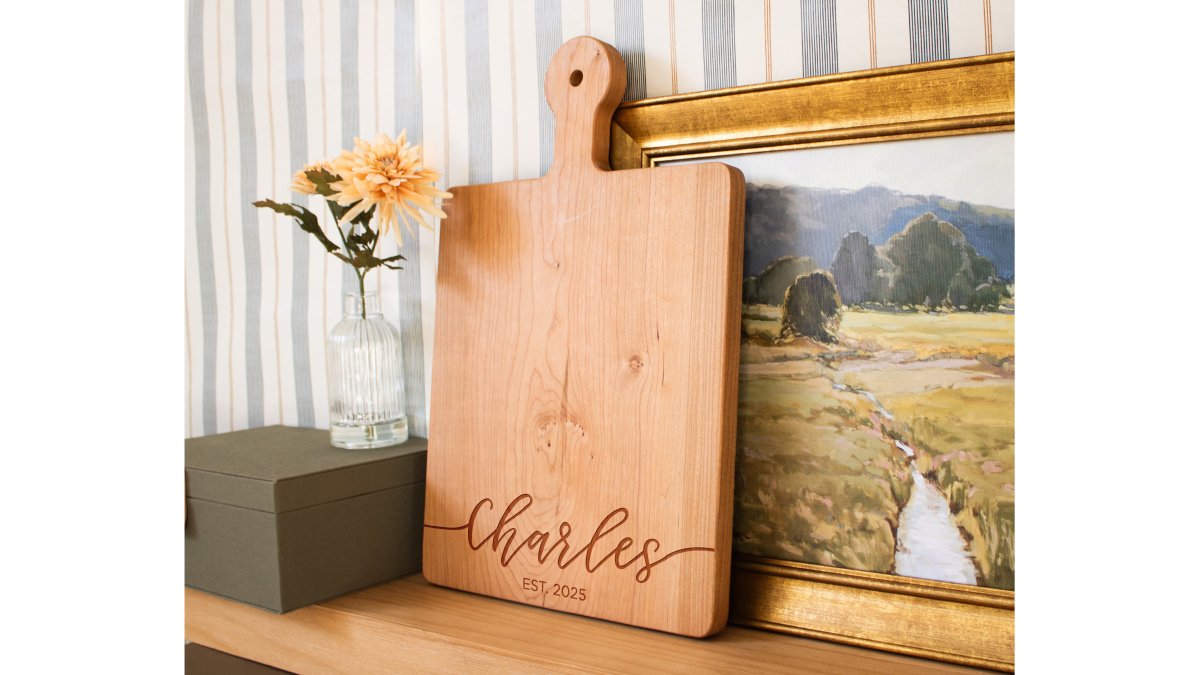
Washing by Hand: What to Use and Avoid
Warm water, a drop of mild dish soap, and a soft sponge handle nearly everything. What you avoid matters just as much:
- Skip the dishwasher entirely. Heat and prolonged moisture cause warping and cracking.
- Never submerge a board in standing water or let it soak.
- Avoid abrasive sponges and scouring pads, which scratch the surface and open the wood grain to bacteria.
- Skip harsh cleaners and bleach on finished wood.
Drying and Storage Tips That Prevent Warping
Towel dry the board immediately after washing, then stand it on edge to air dry completely. Warping happens when one side of the wood absorbs more moisture than the other, so never lay a wet board flat on a counter. Store boards upright with airflow on both faces rather than stacked flat in a cabinet.
How to Sanitize a Wood Cutting Board Safely
To sanitize a wood cutting board, first wash it with hot soapy water, then apply a sanitizing agent and let the board air dry completely before its next use. Wood is naturally antibacterial to a degree, but that property is not a substitute for a consistent routine, especially after raw meat, poultry, or seafood.
A USDA food safety guidance on cutting board sanitation note worth remembering: the USDA recommends washing all cutting boards, wood included, with hot soapy water after contact with raw meat, poultry, or seafood, and sanitizing afterward. A CDC guidance on kitchen surface cleaning resource confirms that sanitizing after raw meat contact is essential regardless of board material. Wood's porosity cuts both ways: it draws bacteria below the surface where they die off over time, but it also holds moisture and food residue if you skip the wash step.
Everyday Sanitizing with Vinegar and Lemon
Sprinkle coarse salt across the surface, rub it with a lemon half, and let it sit for a few minutes. The salt acts as a gentle abrasive that lifts residue from the wood grain, while the citric acid in lemon juice lowers surface pH and deodorizes. Rinse, towel dry, and stand on edge.
This method is fine for daily upkeep and light odors. It is not a disinfectant. Vinegar at typical household concentration is a mild antimicrobial, not a sterilant, so treat it as a freshening step rather than a kill step.
Deep Disinfecting After Raw Meat
After raw meat, poultry, or seafood, follow this sequence:
- Scrape or wipe away visible residue with a dedicated board scraper or paper towel.
- Wash with hot soapy water and a soft sponge. Hot water plus surfactant lifts the fat and protein film that shields bacteria.
- Apply a sanitizing solution. A diluted white vinegar solution works for routine use; for a stronger kill step, use a diluted unscented household bleach solution (about 1 tablespoon of bleach per gallon of water) and let it stand on the surface for at least one minute before rinsing thoroughly. Never mix bleach with vinegar or any acid, the combination releases chlorine gas.
- Rinse, towel dry, and stand the board on edge so both faces get airflow.
- Let it dry completely before the next use. Moisture left in the grain is the single biggest driver of odor and bacterial regrowth.
If a board ever develops a persistent odor, dark staining that won't lift, or deep grooves that hold residue after washing, it's time to refinish or replace it. Sanitizing cannot rescue wood that has already absorbed contamination below the sandable surface.
Cross-Contamination Rules That Actually Matter
The sanitizing step is only as good as what happens before and after it:
- Keep a separate board for raw meat if you can. A dedicated raw-protein board removes the guesswork.
- Wash the board immediately after raw meat contact. Letting it sit while you eat gives bacteria time to work into the grain.
- Wash your hands, knife, and counter after handling raw meat and before touching the board again.
- Don't stack a just-washed board flat against another board or a wet counter. Trapped moisture between surfaces is where odors start.
- Replace or refinish a board with deep, dark grooves. Those grooves are the one place a home wash routine cannot reliably reach.
Food Grade Mineral Oil for Cutting Boards: Why It Works
Food grade mineral oil for cutting boards is a tasteless, odorless, food-safe oil that soaks into the wood and slows moisture absorption. It's the default for a reason: it doesn't turn rancid like many cooking oils, it's inexpensive, and it's chemically stable, so it won't polymerize into a sticky film the way drying oils do. A FDA regulations on food-contact substances framework governs what qualifies as food-grade, which is why "food grade" on the label matters, technical-grade mineral oil can carry contaminants you don't want near food.
Mineral oil is a petroleum-derived product. That's the one objection that sends a lot of people looking for alternatives, and most guides either ignore it or wave it away. Here's the honest breakdown.
Why Mineral Oil Still Works
Mineral oil is a non-drying oil. It sits in the wood's pores and forms a moisture barrier without hardening, which is exactly what you want on a surface that gets cut and washed repeatedly. It doesn't go rancid, it doesn't carry a smell that transfers to food, and it's cheap enough that you can reapply it without thinking about cost. The trade-off is the petroleum origin and the fact that it's a finite resource.
Plant-Based and Vegan Alternatives That Actually Work
If you want to avoid petroleum-derived products, these are the food-safe options that hold up in practice:
- Fractionated coconut oil (MCT oil). The fractionation removes the long-chain fats that go rancid, leaving a stable, odorless liquid that behaves much like mineral oil. It's the closest plant-based substitute and the one most woodworkers reach for first.
- Beeswax blends. Beeswax is not vegan, but it's a renewable, food-safe option that builds a longer-lasting finish than oil alone. It needs warming to apply and leaves a slightly tacky surface until buffed.
- Carnauba wax blends. A plant-derived wax often paired with beeswax or oil. It's vegan and gives a harder, glossier finish, but it's harder to apply and can feel waxy if overdone.
- Walnut oil. A drying oil that cures to a soft film. Food-safe once cured, but it's a tree-nut product, so avoid it if anyone in the household has a nut allergy.
- Tung oil (pure, food-safe grades). A durable drying oil, but only the pure, unmodified kind is food-safe. Most hardware-store tung oil is a blend with solvents and is not for food-contact surfaces.
What to avoid: olive oil, vegetable oil, canola oil, and most cooking oils. They're food-safe to eat but not to cure into wood, they stay liquid, go rancid over time, and leave a smell that transfers to whatever you cut next.
How to Choose
| Option | Vegan? | Rancid Risk | Best For | Watch Out For |
|---|---|---|---|---|
| Food-grade mineral oil | No | None | Everyday conditioning | Petroleum-derived |
| Fractionated coconut oil | Yes | Very low | Plant-based daily use | Pricier than mineral oil |
| Beeswax blend | No | None | Longer-lasting finish | Needs warming to apply |
| Carnauba wax blend | Yes | None | Hard, glossy finish | Can feel waxy if overdone |
| Walnut oil | Yes | Low once cured | A curing, film-forming finish | Tree-nut allergen |
| Pure tung oil | Yes | None once cured | Durable, water-resistant finish | Only pure food-safe grades |
Whichever you pick, the routine doesn't change: apply, let it absorb, wipe off the excess. The choice affects how often you reapply and what's in the bottle, not the technique.
How Often to Oil a Cutting Board (and How to Do It)
Oil a cutting board once a month for regular home use, and more often if the board looks dry or pale. A board used daily may need oiling every two to three weeks. The test: if a few drops of water bead up on the surface, it's protected; if they soak in immediately, it's time to oil.
Step-by-Step Oiling and Waxing
- Wash and dry the board completely.
- Apply a generous coat of food-grade mineral oil with a lint-free cloth.
- Let it sit for several hours or overnight so the wood absorbs the oil.
- Wipe off any excess.
- For extra protection, finish with a beeswax conditioner and buff it in.
Removing Stains, Odors, and Deep Knife Gouges
Most stains lift with a paste of baking soda and water, and odors fade with a lemon-and-salt scrub. Deep knife gouges are different: they trap bacteria and need sanding. This is where a troubleshooting-first approach beats generic advice, because the fix depends on how deep the damage goes.
When to Sand and Refinish
Sand when the surface feels rough, gouges are deep enough to catch a fingernail, or stains won't lift. Work through fine-grit sandpaper, going with the wood grain, then wipe away dust and re-oil. For deep gouges, start slightly coarser and finish fine. A fully refinished board, properly oiled afterward, looks and performs like new.
Climate-Specific Care and Common Mistakes to Avoid
Wood responds to the air around it, so care changes with your climate. In dry climates, boards lose moisture fast and need more frequent oiling; in humid climates, they dry slowly and need longer air-drying time to prevent warping. Bamboo and hardwood boards react similarly, though dense hardwoods and end-grain boards tolerate moisture swings better than thin edge-grain boards.
The most common mistakes:
- Soaking or dishwashing a board, which causes cracking and warping
- Letting a wet board dry flat instead of on edge
- Skipping oiling until the wood looks visibly dry
- Using cooking oils like olive oil, which can turn rancid in the grain
When a board reaches the end of its life, don't toss it. Clean, untreated wood can be composted or repurposed, and many woodworkers accept old boards for projects. A EPA guidance on reducing household waste resource outlines how to keep wood out of landfills where local programs allow it.
Frequently Asked Questions
Do wooden cutting boards need to be oiled?
Yes. Oil keeps the wood from drying out, which prevents cracking and warping. A well-oiled board also resists moisture absorption, so it stays hygienic and lasts longer. Aim to oil your board monthly, or whenever the surface looks dry and pale. Food grade mineral oil for cutting boards is the standard choice because it's odorless, tasteless, and won't go rancid.
How often should you oil a wooden cutting board?
Once a month is a good baseline for daily-use boards. If you use your board several times a day, oil it every two to three weeks. A simple test: drizzle a teaspoon of oil on the surface. If it soaks in within a few minutes, the board is thirsty. If it beads up, you can wait. Boards in dry climates or heated homes often need oiling more frequently.
Can you use olive oil on a wooden cutting board?
No. Olive oil and other cooking oils can turn rancid over time, leaving a stale smell and sticky residue on the wood grain. They also don't penetrate as deeply as mineral oil. Stick with food grade mineral oil for cutting boards, or a beeswax-based conditioner. These options are stable, food-safe, and won't spoil.
Is Dawn dish soap safe for wood cutting boards?
A small amount of mild dish soap is fine for routine cleaning, but avoid harsh detergents, bleach, and abrasive sponges that strip the wood's natural oils. Rinse thoroughly with warm water and towel dry immediately. Never submerge the board or let it soak in the sink, since prolonged moisture exposure leads to warping and cracking. For sanitizing, use white vinegar or a lemon-and-salt scrub instead of heavy chemicals.
Caring for a wooden cutting board is a habit, not a chore, and a well-kept board can serve a kitchen for decades. When you want a board worth that effort, Copper Fox Co offers personalized heirloom cutting boards, from the Welcome Home Cutting Board at $21.00 to the Personalized Heirloom Cutting Boards at $79.99, each handmade and customizable. Shop All and give a gift built to be cared for and cherished for years.